
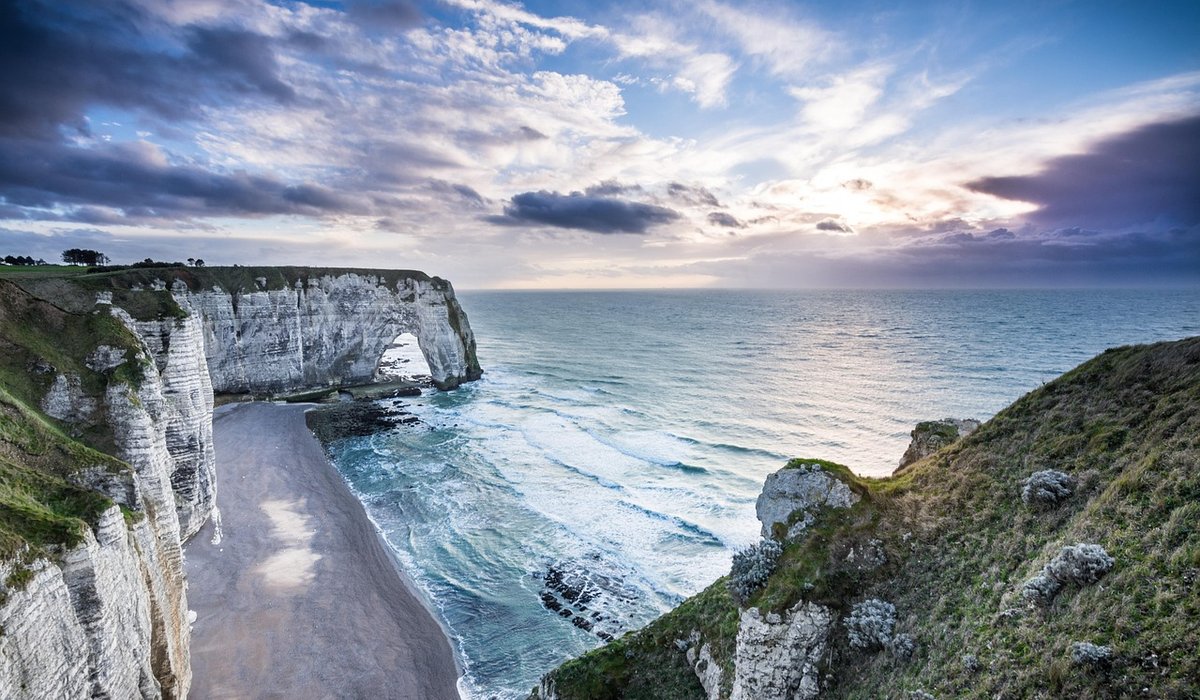
Walking Ancient Lanes and Byways in Mid Devon
Why Mid Devon's lanes feel older than the roads
Between the Exe and the moor, Mid Devon is a patchwork of small fields, red-earth farms and lanes that sink below the level of the land around them. Many are holloways, worn down by centuries of hooves, cartwheels and boots until they run between banks two or three metres high, roofed over with hazel and ash. The turnpike roads of the eighteenth and nineteenth centuries bypassed them, and the motor car never really came back. What remains is a network of green lanes, bridleways and footpaths linking places like Crediton, Sandford, Morchard Bishop, Lapford, Witheridge and Chulmleigh like thread through cloth.
This is not dramatic walking. There are no summits. What you get instead is the best kind of quiet: the sound of your own boots, water running in a ditch, and the sense that a footpath here has been used continuously for a thousand years.
Five good places to start
- Crediton and the Creedy valley. Park sensibly near the town centre and follow the river out towards Newton St Cyres or up towards Sandford. Gentle, well-signposted, and easy to shorten. About four miles for a simple out-and-back.
- Morchard Bishop to Black Dog. A five-mile loop on lanes and footpaths through some of the finest hedge-bank country in the county, with long views north to Exmoor and south to Dartmoor on a clear day. The hamlet of Black Dog has a name worth the walk alone.
- Witheridge and the Little Dart valley. The Two Moors Way crosses this parish, and the lanes down towards Creacombe and Thelbridge are as quiet as anything in Devon. Expect mud, gates, and small fields of sheep.
- Bampton and the Batherm. On the Somerset edge, the lanes here climb and fall sharply and the hedges are taller. Combine a lane walk with a stretch of the Exe Valley Way.
- The Grand Western Canal, Tiverton. Eleven miles of flat towpath, ideal when the fields are too wet or the daylight is too short. Excellent for an hour's amble or a full day, and the horse-drawn barge runs in summer.
Reading the hedgebanks as you go
Devon's field boundaries are the history book you walk between. A true Devon bank is an earth mound faced with stone, topped with a hedge and usually accompanied by a ditch. Some are medieval; some follow boundaries older still. Parish boundaries often run along the biggest banks, and where two parishes meet you will sometimes spot a boundary stone set into the hedge.
Look at what grows: beech on the Blackdown edge, hazel coppiced on rotation, oak and ash along the older lanes, with primroses, bluebells and red campion in season. Those sunken stretches with tree roots gripping both banks are the oldest of all — routes worn into the bedrock by traffic long before anyone surfaced a road.
Kit, timing and getting there
Wear boots with grip and gaiters, and carry a paper map rather than relying on a phone. Signal in the valleys is patchy to non-existent. Ordnance Survey Explorer 114 covers Exeter and the Exe Valley; Explorer 127 covers South Molton and Chulmleigh.
- Best months: April to October for dry paths and long evenings. November to March is beautiful but genuinely muddy — some lanes become streams.
- Getting there: the Tarka Line railway stops at Crediton, Yeoford, Copplestone, Morchard Road, Lapford and Eggesford, which makes linear walks easy. Local buses serve the main towns.
- Rights of way: footpaths are for walking only; bridleways are for walkers, cyclists and horse riders; restricted byways and byways open to all traffic may legally carry vehicles, though most are impassable in winter. Check the map before you assume.
- Tell someone where you are going and when you expect to be back. Farm tracks that look obvious on the way out can be confusing in drizzle.
Livestock, dogs and landowners
Almost every path you walk crosses someone's working land. A few habits keep access open and goodwill intact.
- Leave gates as you find them — open if open, closed if closed, and never climb a bank or hedge to go round.
- Keep to the line of the path, even when it is faint. In arable fields, walk in single file on the trodden line to avoid trampling the crop.
- Put dogs on a short lead around livestock, and near ground-nesting birds between March and July. Cattle with calves can be unpredictable; if you feel threatened, let the dog go and walk away calmly.
- Do not park in gateways, passing places or on verges where you would churn the ground. Village halls often allow parking for a small honesty donation.
- Take everything home, including dog waste. Fly-tipping and litter are the quickest way to see a path closed.
- Be tick-aware and check yourself after walking through long grass. Adders bask on sunny banks in spring — admire from a distance.
After the walk
Mid Devon rewards slow days. Finish in a village with a church tower worth a look, a lychgate, and a pub that serves decent local cider and a plate of something hot. Order the chips. Then plan the next lane, because there are hundreds of them, and they all go somewhere worth going.
tag: Countryside

Oliver Prowse Author
Look for dormice, bats and woodland birds while learning how hedgerows support Devon's wildlife and how to observe creatures without causing disturbance.
YOU MAY ALSO LIKE
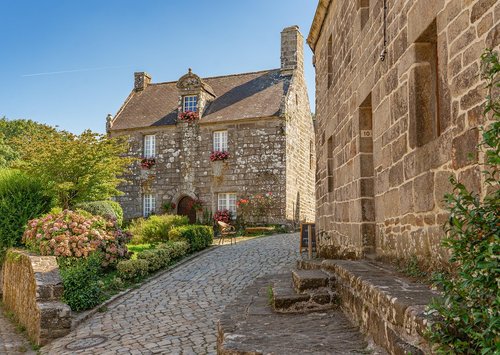
Wildlife to Spot in Devon's Hedgerows and Woodlands
Sep 11
10Discover how coppicing, hedge laying and native planting help Devon's woodlands thrive for insects, birds and small mammals throughout the seasons.
read more
Understanding Woodland Management for Wildlife in Devon
Sep 7
10Plan a safe and enjoyable family cycle ride on traffic-free trails, with advice on bike checks, helmets, snack stops and route difficulty.
read moreCoast
-

ERRIC CATONA
Find engaging indoor activities for children during wet weather, from museum trails and craft sessions to swimming pools and soft play centres.
May 19, 2016 at 5.12 pm
Reply
ERRIC CATONA
Prepare for a stress-free family beach day with tips on sun protection, tide times, safe swimming zones and keeping children close by.
May 19, 2016 at 5.12 pm
Reply -
ERRIC CATONA
Seek out traditional cream teas, independent bakeries and farm shops serving fresh scones, clotted cream and locally made preserves across Devon.
May 19, 2016 at 5.12 pm
Reply
Countryside
Your email address will not be published.