

Exploring Devon's Industrial Heritage Along Old Railway Lines
Why Devon's Old Railway Lines Are Worth Exploring
Devon's landscape was shaped by industry as much as by farming. From the granite quarries of Dartmoor to the china clay pits around Lee Moor, and from the copper mines of the Tamar Valley to the ball clay works near Bovey Tracey, a network of tramways, railways and leats once moved heavy materials across the county. Many of those lines closed in the twentieth century, but their routes survive as quiet paths, cycle trails and overgrown cuttings. Following them is one of the most rewarding ways to understand how Devon was built.
You do not need to be a railway enthusiast to enjoy this. Old lines tend to have gentle gradients, broad curves and grand viaducts, and they thread through landscapes often inaccessible by road. They also connect to industrial remains: engine houses, lime kilns, quarry faces and the occasional rusting winch. This guide covers practical routes, what to look for, and how to explore responsibly.
Three Routes to Start With
- The Granite Way – A traffic-free route between Okehampton and Lydford, following the old London and South Western Railway. The highlight is Meldon Viaduct, a wrought-iron structure high above the West Okement valley. Nearby are the remains of Meldon Quarry, which supplied ballast and roadstone for over a century. The surface is mostly smooth, making it suitable for walking and cycling.
- The Tarka Trail – A long-distance cycle and walking route that uses the old Barnstaple to Ilfracombe and Barnstaple to Meeth lines. The section between Braunton and Barnstaple is flat and estuary-side, while the inland stretch towards Meeth passes former clay workings and lime kilns. Watch for old station platforms at Instow and Fremington.
- The Plym Valley Trail – Running from Marsh Mills to Clearbrook, this route follows the old South Devon Railway. Cann Viaduct and the tunnel at Leighbeer are memorable. The trail passes close to the Lee Moor china clay works, where tramways once carried clay down to the Plym. A short detour from Clearbrook leads onto Dartmoor proper.
Further west, the Bude and Rolle Canals offer gentler industrial archaeology, while Dartmoor's Haytor Tramway – a granite-railed plateway – is a fascinating if rough walk for those who do not mind bog underfoot.
Reading the Landscape
Once you know what to look for, industrial history is everywhere. Along old lines, note deep cuttings and embankments, stone-faced bridges and the occasional milepost. On Dartmoor, look for parallel lines of flat stones that once held tramway rails, and for leats – artificial water channels – that powered waterwheels. Around mines, you will see spoil tips, capped shafts, chimney stumps and the footings of engine houses. Near quarries, look for dressed granite blocks, crane bases and the curving alignments of inclines.
Do not remove anything. Even a loose piece of slag or a broken tile is part of the story, and taking it is both illegal on protected sites and unfair to the next visitor.
Maps and Navigation
A detailed 1:25,000 scale map is essential. Disused railways are marked as "dismantled railway" with a dashed line, and industrial features such as shafts, quarries and kilns are labelled. For Dartmoor, use sheet OL28; for North Devon and the Tarka Trail, OL9 and sheets 126 and 127; for the Plym Valley, sheet 108 and OL20. Buy paper maps and carry a compass. Mobile signal is patchy in valleys and on high ground, so download offline maps before you leave and tell someone your intended route.
Local heritage trail leaflets are often available from tourist information centres and community shops. They add detail that general maps miss, such as the names of old sidings or the locations of worker cottages.
Staying Safe on Old Lines
- Surface hazards – Loose ballast, slippery wooden sleepers and uneven stone setts are common. Wear sturdy boots with good grip, especially after rain.
- Shafts and adits – Never enter mine openings or tunnels. Many are unstable, flooded or lack breathable air. Keep children and dogs close near visible shaft caps.
- Weather – Dartmoor and Exmoor can turn quickly. Carry waterproofs, spare layers and plenty of water. Fog is common on high ground, so know how to take a bearing.
- Livestock and ticks – Cattle and ponies graze many routes. Give them space, keep dogs on leads where required and check yourself for ticks after walks in rough grass.
- Tides and cliffs – Coastal sections of the Tarka Trail are affected by tides. Check local tide tables and do not attempt cliff-edge shortcuts.
Respecting Private Land and Local Rules
Most old railway routes are public rights of way, but some sections cross private land or run on permissive paths. Always check the map for the exact status. Stay on the marked route, close gates behind you, and do not climb on viaducts, bridges or ruined buildings. Metal detecting requires the landowner's permission and is banned on many protected sites, including Scheduled Monuments. Drone flying is restricted near sensitive wildlife and private property.
Park considerately in villages, do not block farm gates, and take all litter home. If you meet a farmer or landowner, a friendly hello goes a long way. Devon's industrial heritage survives because generations have treated it with care – and that includes you.
Whether you have an hour on the Granite Way or a full day on the Tarka Trail, these old lines offer a direct route into Devon's working past. Go slowly, look closely and leave only footprints.
tag: Heritage

Oliver Prowse Author
Explore historic market towns, learn to recognise local building styles and understand how trade shaped Devon's settlements over centuries.
YOU MAY ALSO LIKE
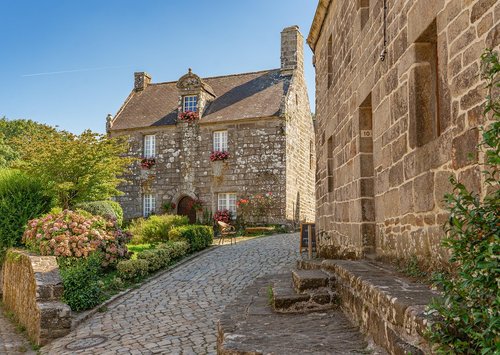
Understanding Devon's Historic Market Towns and Architecture
Aug 3
10Start surfing safely on Devon's Atlantic coast with advice on choosing a school, understanding waves, using suitable kit and respecting other beach users.
read more
Beginner's Guide to Surfing on Devon's Atlantic Coast
Jul 28
10Discover calm estuaries for sea kayaking, plan around tides and weather, and follow access rules to protect wildlife and local habitats.
read moreCoast
-

ERRIC CATONA
Find safe wild swimming spots in Devon's rivers and pools, with guidance on water quality, temperature, access and leaving no trace.
May 19, 2016 at 5.12 pm
Reply
ERRIC CATONA
Understand local bus, train and ferry connections for car-free days out, including ticket options, timetables and accessible travel advice.
May 19, 2016 at 5.12 pm
Reply -
ERRIC CATONA
Learn how to find reputable local tradespeople, request clear quotes and check insurance before commissioning work on your Devon home.
May 19, 2016 at 5.12 pm
Reply
Countryside
Your email address will not be published.